
Comparing UV and Chemical-Based Ballast Water Treatment Approaches for Port Compliance
- Azaire Brie
- Nov 19
- 4 min read

Modern ports enforce strict environmental standards to prevent the spread of invasive marine species and pathogens carried through ballast discharge. Ensuring vessel compliance requires reliable technology and dependable maintenance strategies. Both the ballast water treatment system and the best water softener represent critical innovations within marine and industrial water management, helping operators meet environmental goals while protecting onboard systems from scaling and corrosion.
The Purpose of Ballast Water Treatment
Ballast water plays a crucial role in vessel stability, but it also carries biological risks. When ships discharge untreated ballast water in foreign waters, they introduce microorganisms, larvae, and other invasive species that disrupt marine ecosystems. To prevent this, international conventions like the IMO Ballast Water Management Convention require ships to install and operate compliant treatment systems.
A well-designed ballast water treatment system integrates filtration, disinfection, and monitoring to ensure harmful organisms are neutralized before discharge. Port authorities demand consistent proof of treatment efficacy, making reliability and automation essential. As regulations tighten, ship operators look for systems that deliver proven biological performance without increasing operational burden.
UV-Based Treatment: Clean, Fast, and Chemical-Free
Ultraviolet (UV) disinfection has become a preferred approach for modern vessels seeking eco-friendly compliance. By exposing ballast water to high-intensity UV light, the technology damages the DNA of microorganisms, rendering them inactive. It accomplishes this without introducing chemicals or by-products that could harm the marine environment.
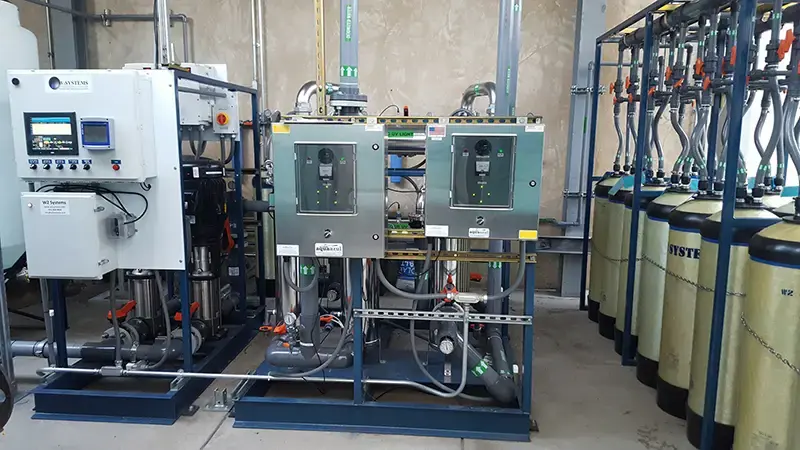
Solutions like Aqua Azul’s UV disinfection units demonstrate how this method excels in simplicity and safety. They destroy pathogenic microorganisms effectively without imparting taste, odor, or toxicity—qualities especially important for operators concerned with sustainable discharge. Since UV disinfection works through a physical process, there is no risk of overdosing or chemical residue, which allows for straightforward operation and reduced crew training requirements.
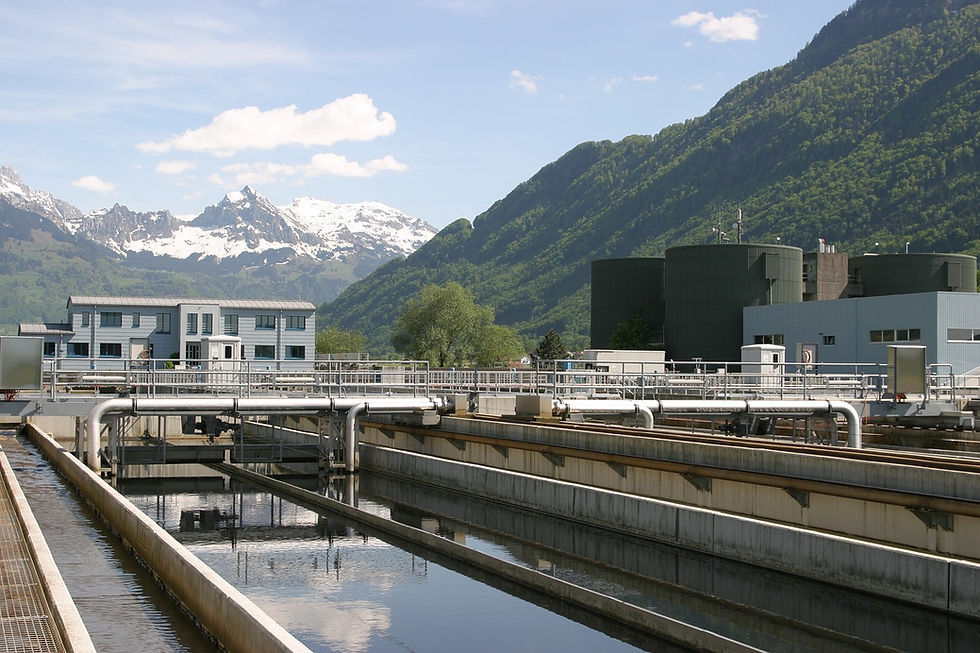
Moreover, modern control systems enable real-time monitoring of UV intensity, flow rate, and lamp life. This data-driven transparency reassures port inspectors that the vessel’s disinfection system meets required standards consistently. UV units are compact and modular, allowing easy retrofitting into existing piping configurations, minimizing downtime during installation.
Chemical-Based Treatment: Powerful but Complex
Chemical disinfection remains another widespread method for ballast water treatment, utilizing oxidizing agents like chlorine or ozone to neutralize organisms. This method delivers reliable results, especially in high-turbidity or low-clarity water conditions where UV light penetration might be limited.
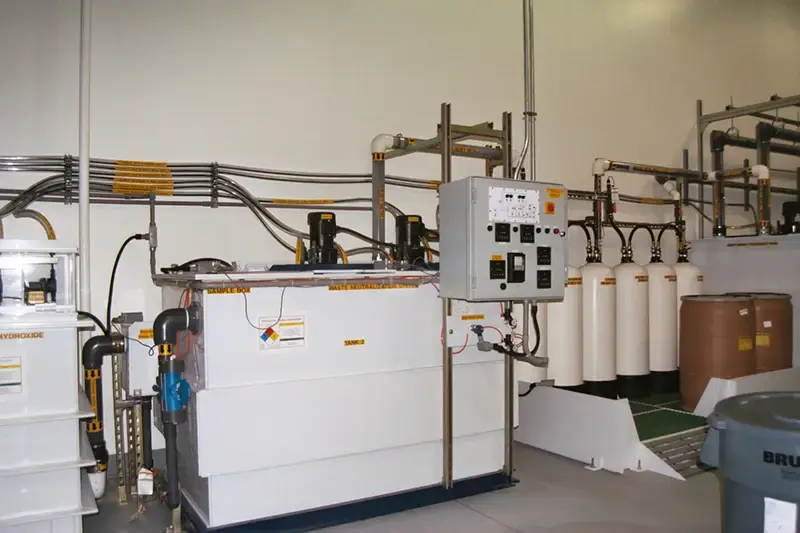
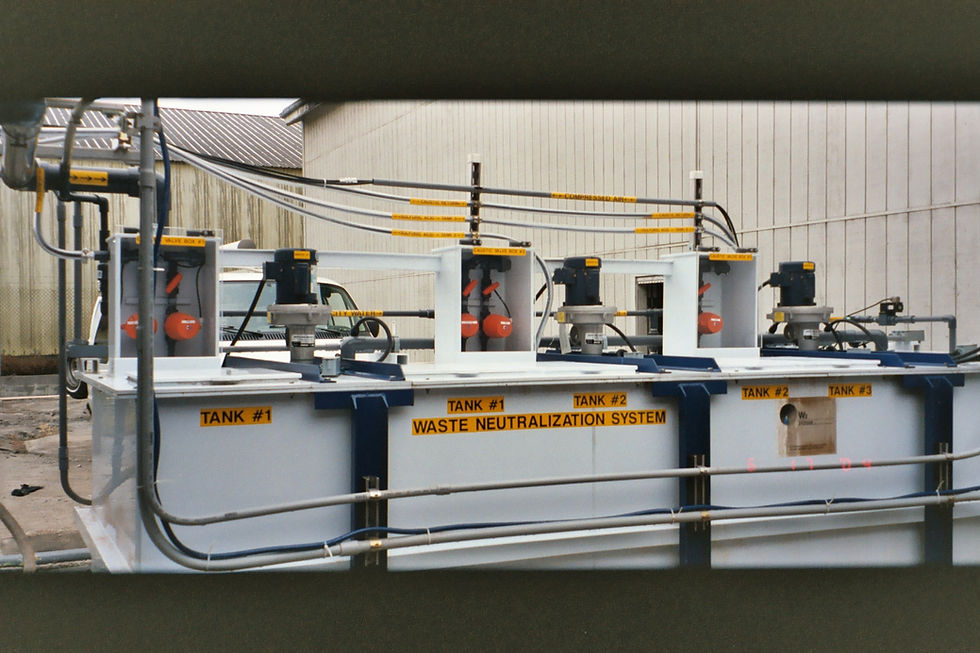
However, chemical-based systems demand careful handling and monitoring to prevent residual toxicity. Crew members must manage dosage, contact time, and neutralization processes to ensure treated water meets environmental discharge limits. Improperly balanced systems may lead to corrosive conditions, damage to ballast tanks, or the formation of unwanted by-products.
Additionally, compliance verification becomes more complex with chemical systems, as port inspectors often require sampling to confirm residual chemical concentrations. While these systems remain viable for large commercial fleets, they involve greater operational oversight and higher maintenance costs than UV-based options.
Comparing Efficiency and Compliance
When comparing both technologies, the ballast water treatment system that employs UV disinfection often provides faster, safer, and more environmentally friendly results. Chemical approaches still serve valuable roles in specific conditions, yet they introduce logistical and safety challenges.
UV systems eliminate the need for onboard chemical storage, reducing crew exposure risks and minimizing space requirements. Maintenance tasks—primarily cleaning and replacing lamps—are straightforward and predictable. In contrast, chemical systems require complex pumps, dosing modules, and chemical tanks that increase weight and maintenance demands.
From a regulatory standpoint, UV systems simplify compliance because they deliver measurable, repeatable disinfection performance. The lack of chemical residues supports sustainable operations in ports that enforce zero-discharge chemical policies. For operators prioritizing efficiency and safety, UV stands out as the preferred route for long-term reliability.
Supporting Systems and Water Quality Management
Beyond disinfection, auxiliary systems play a key role in maintaining consistent performance. For example, integrating the best water softener within an onboard or port facility setup helps prevent mineral scaling in heat exchangers, filters, and piping networks. By reducing hardness, water softeners improve system longevity and reduce the energy required for treatment.
In facilities that maintain ballast water testing stations or filtration modules, softened water ensures accurate readings and reduces fouling in analytical instruments. This interdependence between disinfection technology and water conditioning reflects a holistic approach to marine system management.
Companies specializing in advanced water solutions—such as those developing UV disinfection technologies or custom-built treatment setups—illustrate how engineering innovation continues to evolve for maritime applications. Their systems are designed to operate under varying water conditions while maintaining high purity standards, ensuring long-term compliance and equipment integrity.
Conclusion
Selecting the right ballast water treatment system directly influences compliance, efficiency, and environmental performance. While chemical-based methods offer power and adaptability, UV-based systems provide a cleaner, faster, and more sustainable pathway for global port approval. Integrating additional equipment like the best water softener further enhances operational stability, protecting assets and reducing long-term costs.
In the pursuit of full port compliance, UV disinfection technologies demonstrate how modern engineering achieves balance—meeting environmental mandates while simplifying vessel operations. With continuous innovation, the maritime industry moves closer to achieving safer seas and more sustainable global trade.
Comments