
How to Choose the Right Ballast Water Treatment System for Your Vessel
- Azaire Brie
- Sep 18
- 3 min read

Meeting international ballast water management regulations is a critical responsibility for commercial marine operators and shipbuilders. Selecting the right ballast water treatment system requires more than compliance—it demands reliability, technical precision, and the ability to perform in diverse operating environments. With multiple technologies on the market, understanding the criteria for selection helps ensure long-term operational efficiency and regulatory confidence.
Let’s explore the essential factors that guide the selection process and ensure the right system for your vessel.
Understand Compliance and Regulatory Standards
The first consideration in selecting a system is compliance. International Maritime Organization (IMO) and United States Coast Guard (USCG) approvals continue to be the global benchmarks. Systems should be certified to meet both sets of requirements, as vessels often operate across multiple jurisdictions. Operators should carefully evaluate certificates, ensuring that the system has been tested in conditions similar to the vessel’s operational profile—such as varying salinity levels, temperatures, and sediment loads.
Match Technology to Vessel Type and Operations
Ballast water treatment technologies typically rely on filtration, ultraviolet (UV) disinfection, electrochlorination, or a combination of these methods. The right choice depends on vessel size, trading routes, and power availability. For example, UV-based systems are often suited to vessels with access to a stable energy supply and cleaner coastal waters. At the same time, electrochlorination may be preferable for larger vessels with higher ballast volumes. Matching the system to vessel operations ensures efficiency without compromising performance.
Evaluate Installation and Space Requirements
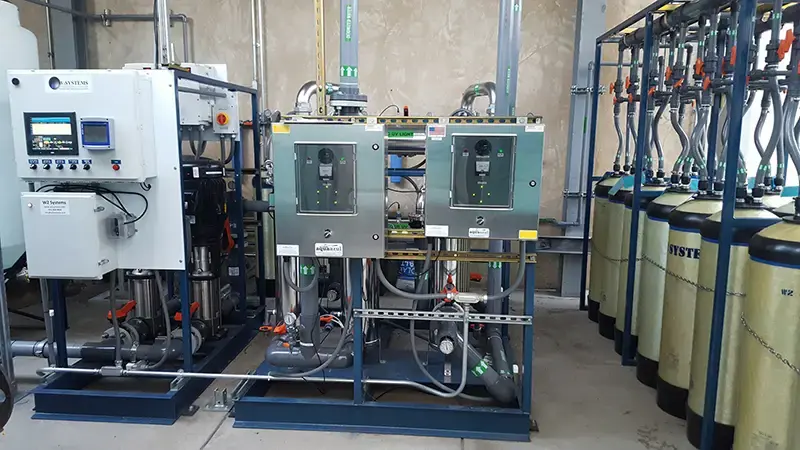
Space availability on board is another decisive factor. Systems differ significantly in footprint and layout flexibility. Shipbuilders and retrofitting teams must review system dimensions, piping configurations, and power demands early in the design phase. Compact, modular systems can be advantageous for smaller engine rooms or retrofits, while custom-engineered layouts may be needed for larger vessels. Careful planning avoids costly modifications and ensures smooth integration.
Consider Water Quality Variability
A vessel may encounter very different water conditions—ranging from clear coastal water to sediment-heavy harbors. Treatment systems must consistently handle these variables. Pre-filtration capacity, UV dose monitoring, or chemical dosing controls should be assessed for their ability to perform under challenging water quality conditions. Reliability under variable conditions helps reduce downtime and maintenance while ensuring ongoing compliance.
Long-Term Support and Lifecycle Cost
Beyond upfront cost, lifecycle considerations determine the actual value of a system. Spare parts availability, ease of maintenance, and technical support are critical for minimizing operational disruptions. Partnering with an engineering team that offers training, onboarding support, and continuous monitoring services ensures that the system remains reliable throughout its lifespan. Evaluating warranties, service packages, and the track record of long-term client support provides insight into overall cost efficiency.
Integration with Broader Water Systems
Many vessels require more than ballast management. Evaluating suppliers that also design and support complementary systems—such as desalination, grey water treatment, and potable water solutions—can add significant value. For instance, operators comparing options for drinking water generation may look for the best reverse osmosis system as part of an integrated package. Working with a single provider for multiple water treatment solutions simplifies maintenance, training, and long-term engineering support.
Environmental Responsibility and Future-Readiness
Environmental compliance extends beyond current regulations. Choosing systems designed with flexibility for evolving standards offers added assurance. Energy-efficient designs, minimal use of consumables, and reduced by-products are features that demonstrate a forward-looking approach to sustainability. Systems engineered for adaptability mitigate the risk of costly future upgrades.
Conclusion
Selecting the right ballast water treatment system involves balancing regulatory compliance, vessel operations, lifecycle costs, and integration with broader water treatment needs. Careful evaluation of technology, installation requirements, and long-term support ensures that marine operators and shipbuilders make decisions that safeguard both compliance and operational efficiency. A system chosen with these factors in mind delivers reliable performance, sustainable operations, and peace of mind for years to come.
Visit the relevant website for more information on compliant, efficient water treatment solutions designed to support long-term marine operations.
Comments