
Efficient Wastewater Treatment: A Solution for Cleaner Water
- Azaire Brie
- Jun 20
- 3 min read

Wastewater treatment is vital in ensuring that water is safe for reuse and discharge into natural bodies of water. A wastewater treatment plant is designed to remove contaminants from sewage or industrial effluent, ensuring that the water meets environmental and health standards. With the increasing demand for cleaner water and the growth of industries and urban areas, having an effective wastewater treatment system has become more critical than ever.
In this article, we will explore the importance of these systems and how they contribute to a sustainable future.
Understanding Wastewater Treatment Plant
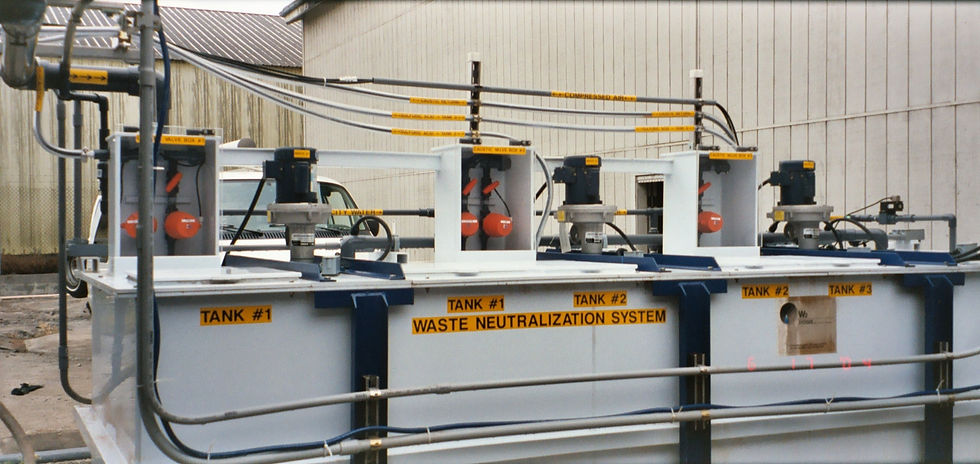
A wastewater treatment plant plays a critical role in purifying water. It uses a combination of physical, chemical, and biological processes to remove pollutants from water before they are released back into the environment. The primary goal of these plants is to ensure that treated water meets specific standards, protecting public health and preserving aquatic life.
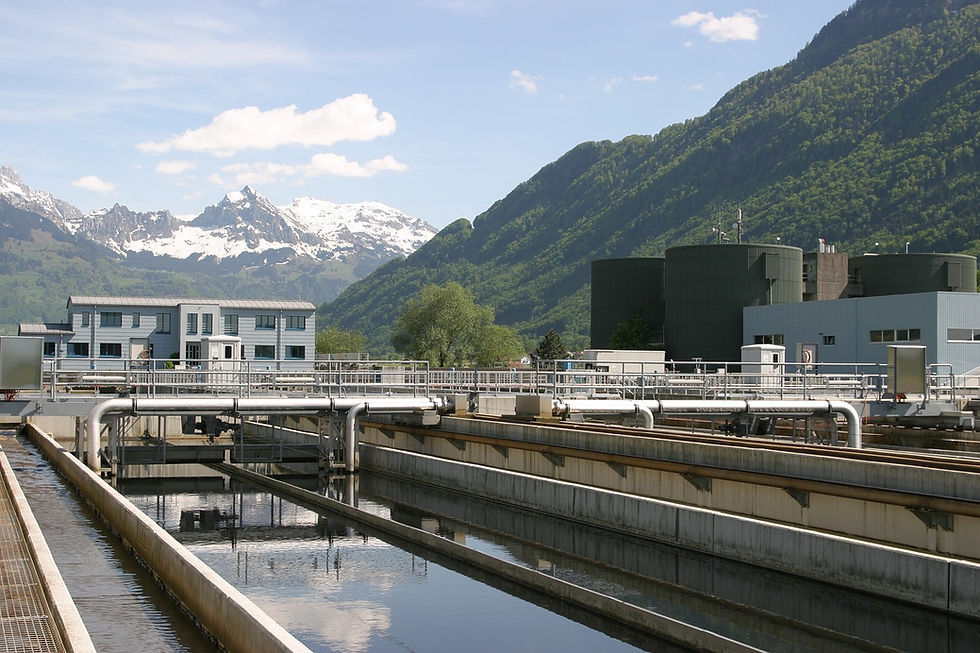
Wastewater treatment involves multiple stages, starting with the primary treatment phase, which removes large solids and debris. The secondary phase further breaks down organic matter using biological processes. In contrast, the tertiary phase may include additional treatments like filtration or disinfection to ensure the water is as clean as possible.
The Importance of Wastewater Treatment Systems
A wastewater treatment system is essential for protecting public health and the environment. By treating wastewater before it is released into rivers, lakes, or oceans, these systems prevent harmful contaminants from polluting natural water sources. This helps maintain biodiversity in aquatic ecosystems, supports the safety of drinking water sources, and contributes to cleaner, healthier communities.
Additionally, wastewater treatment systems help recycle water for various uses, such as irrigation, industrial processes, and even potable water in some cases. This recycling reduces the demand on freshwater supplies, which is especially important in areas facing water scarcity.
Key Benefits of a Wastewater Treatment System
1. Environmental Protection: Wastewater treatment systems prevent the release of harmful pollutants, including heavy metals, chemicals, and pathogens, into the environment. This safeguards ecosystems, wildlife, and human health.
2. Water Conservation: These systems contribute to water conservation efforts by effectively treating and reusing wastewater. Recycled water can be used for non-potable purposes, such as irrigation, cooling, and industrial applications.
3. Regulatory Compliance: Wastewater treatment systems ensure that industries, municipalities, and other organizations comply with environmental regulations. This helps prevent penalties and legal issues related to water pollution.
4. Public Health Safety: Treating wastewater removes harmful bacteria, viruses, and toxins, reducing the risk of waterborne diseases. This is particularly crucial in densely populated urban areas.
The Role of Technology in Wastewater Treatment
Modern wastewater treatment systems rely heavily on technology to improve efficiency and effectiveness. Advances in monitoring, automation, and treatment processes have enabled handling large volumes of wastewater while reducing costs and environmental impact. Innovative technologies, such as real-time monitoring sensors, help operators track water quality and adjust as needed to ensure optimal treatment.
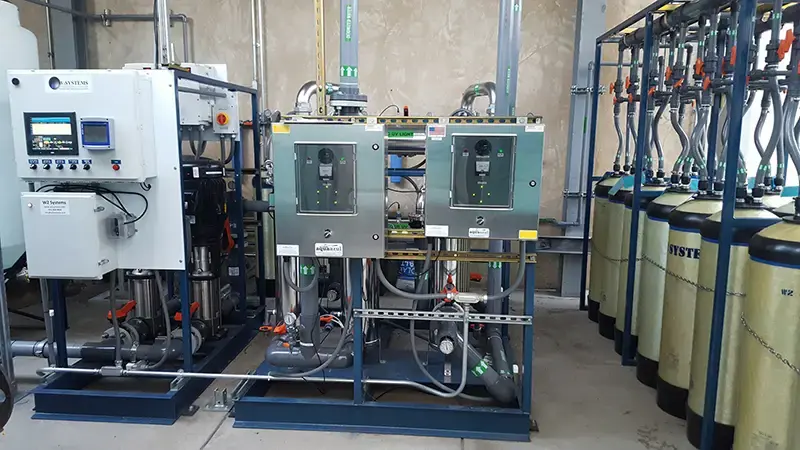
In addition to traditional methods, newer techniques like membrane filtration, UV disinfection, and advanced oxidation are becoming more common in wastewater treatment plants. These technologies allow for more precise treatment and higher-quality water output, contributing to a sustainable water cycle.
How to Ensure Optimal Performance of Your Wastewater Treatment System
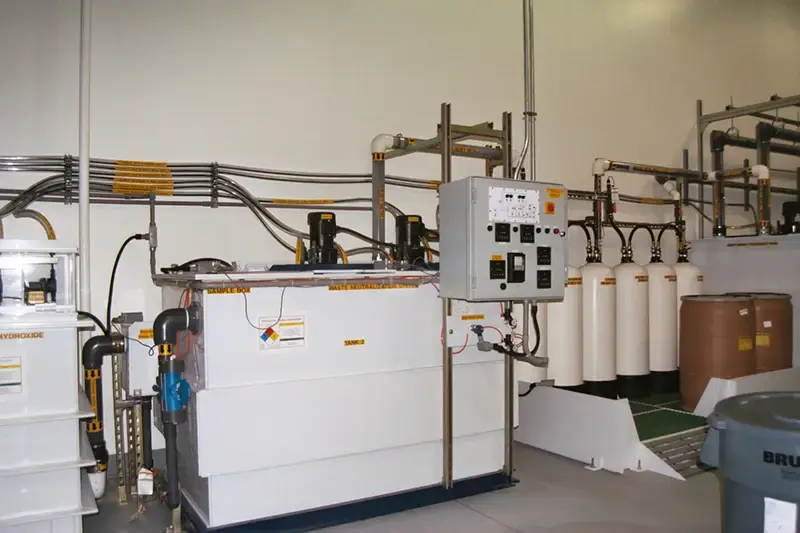
Regular maintenance and upgrades are important to maximize the effectiveness of a wastewater treatment system. Routine inspections, cleaning, and repairs of critical components like pumps, filters, and pipes ensure that the system operates smoothly. Proper management of wastewater inputs, such as minimizing the amount of chemicals or solids introduced, also helps extend the lifespan of the system and improve its efficiency.
Furthermore, keeping up with technological advancements and industry best practices can help maintain the system's performance. Working with experienced professionals to conduct periodic assessments will ensure that your wastewater treatment system always operates at its best.
Call to Action: Take Action Towards Cleaner Water Today
If you are responsible for managing wastewater treatment in your community or business, it’s time to prioritize installing or improving your wastewater treatment plant and system. Investing in effective water treatment solutions benefits the environment and promotes sustainability and compliance with regulations.
Whether you're looking to upgrade an existing system or implement a new one, it’s essential to partner with experts who can provide guidance and support. Take the next step toward cleaner, safer water by contacting professionals who can help design, implement, and maintain a wastewater treatment system that meets your specific needs.
Comments