
How California Manufacturers Can Cut Wastewater Costs with Closed-Loop Systems
- Azaire Brie
- Jul 17
- 4 min read

California’s manufacturing industry is facing increasing challenges in managing operational costs, water usage, and environmental compliance. Innovative solutions like closed-loop water treatment systems have emerged as critical tools in this transition toward cost efficiency and sustainability. These systems are redefining water and wastewater treatment in California by helping manufacturers meet strict regulatory standards while substantially reducing expenses. As sustainability gains importance across the manufacturing sector, especially in the broader context of water and wastewater treatment in USA, more businesses are moving toward systems that maximize reuse and minimize discharge.
Closed-Loop Systems: A Cost-Effective Approach
Closed-loop water systems recirculate water through a self-contained process, eliminating the need for constant freshwater intake and reducing the volume of wastewater discharge. Unlike traditional open-loop systems that use water once and dispose of it, closed-loop systems treat water to a reusable state. This model supports both cost reduction and compliance with environmental regulations.
In a typical California facility—whether a semiconductor plant, a food processor, or a chemical manufacturer—closed-loop systems can significantly reduce reliance on municipal supplies. These systems also help operations managers avoid hefty discharge fees and conserve valuable water resources, an urgent priority in regions frequently affected by drought and water restrictions.
Meeting California’s Regulatory Demands
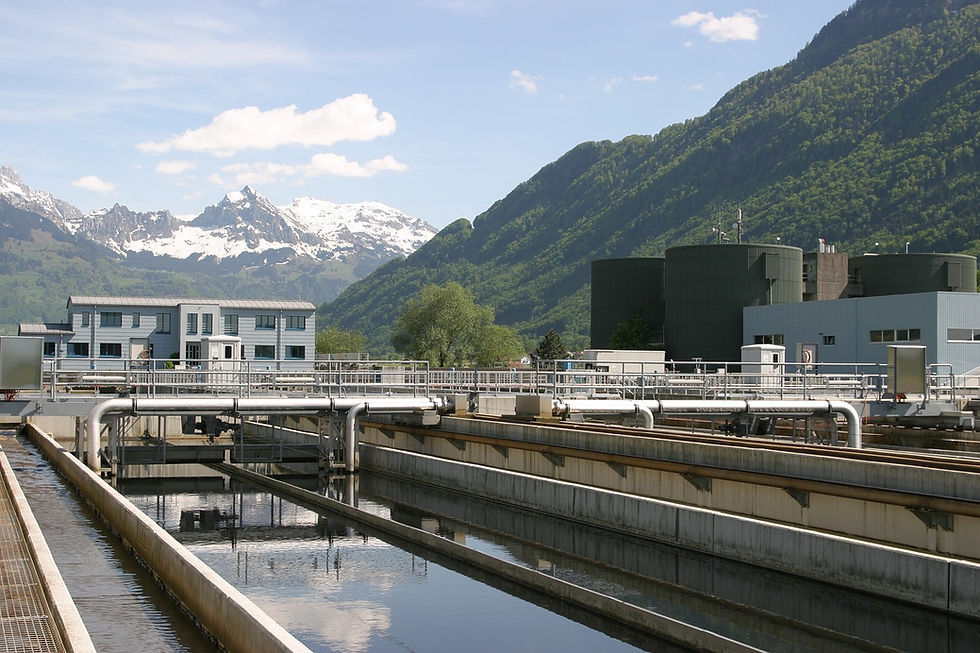
Manufacturers operating in California must comply with some of the strictest environmental regulations in the country. Discharge permits, effluent limitations, and water usage reporting are all tightly monitored by state and local agencies. In this climate, improving wastewater treatment in California requires more than just compliance—it requires strategic planning and technology adoption.
Closed-loop systems offer a built-in advantage by limiting or even eliminating the need for discharges. This minimizes regulatory exposure and simplifies reporting requirements. For manufacturers concerned about penalties from the Regional Water Quality Control Board or delays in permit approvals, a closed-loop approach ensures smoother audits and long-term operational stability.
The Role of Tailored System Design
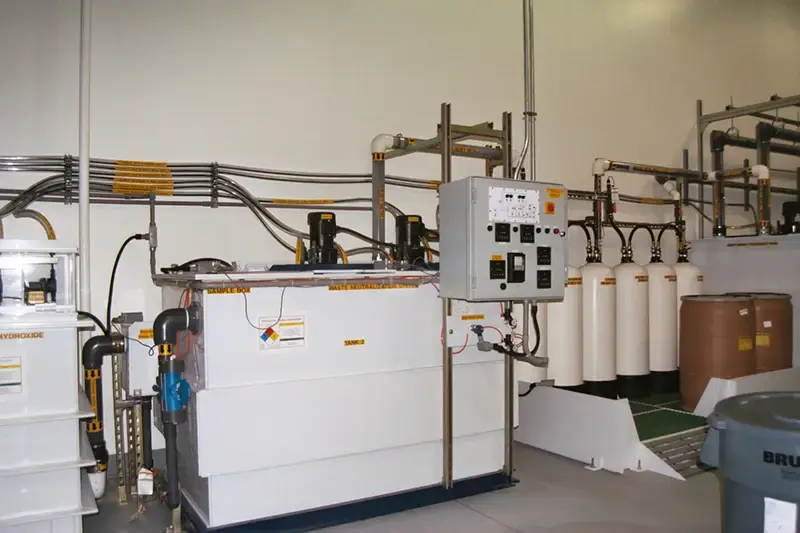
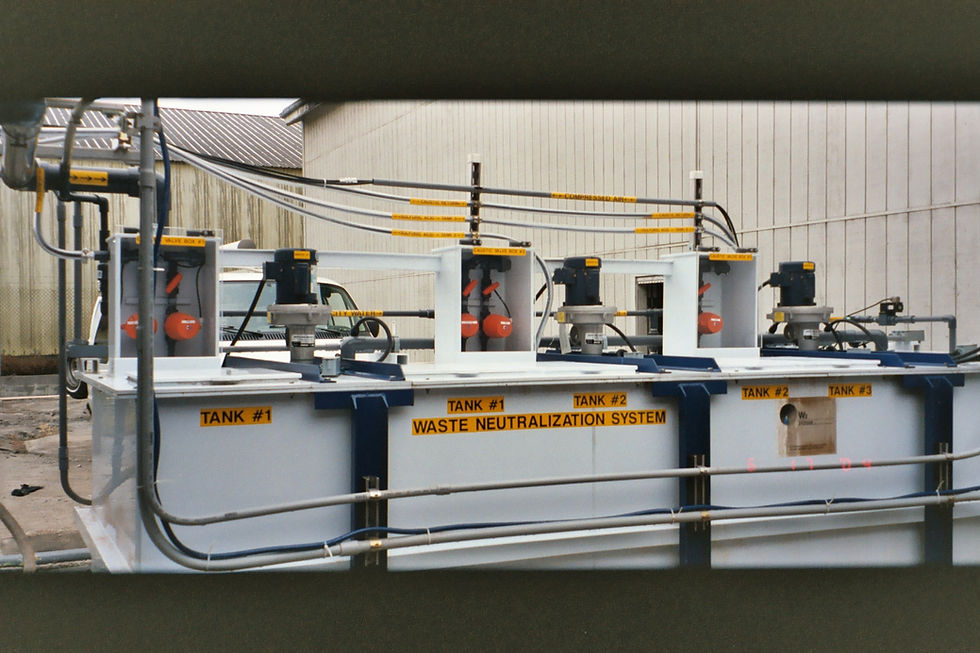
No two manufacturing plants are alike, which is why generic water treatment solutions often fall short. Custom-designed closed-loop systems ensure the treatment process is optimized for a facility’s specific water chemistry, flow rates, and production needs. This customization enhances efficiency, avoids over-engineering, and supports precise control over water quality.
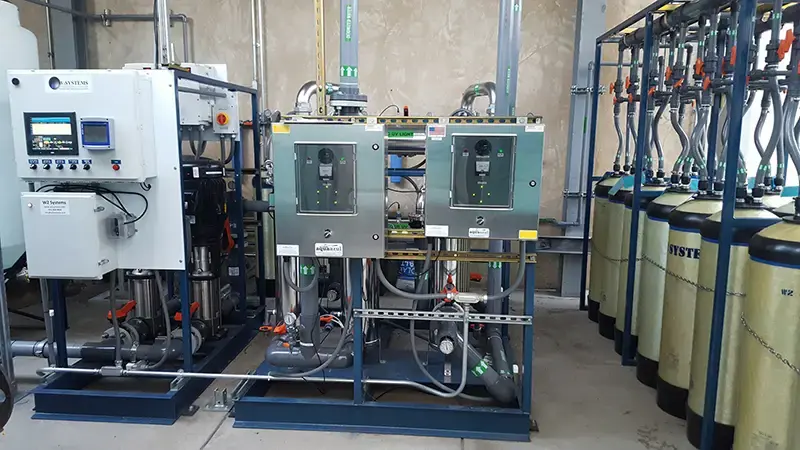
Companies such as W2 Systems, based in California, provide bespoke systems designed to meet the complex requirements of various industries. Whether it’s high-purity water for pharmaceutical manufacturing or heavy metal removal for electronics production, their approach emphasizes reliability, integration, and performance. Their focus on transparency, system documentation, and training ensures facilities don’t just install a system—they understand how to run it efficiently over time.
Long-Term Financial and Operational Gains
The upfront investment in a closed-loop system is offset by substantial long-term savings. These savings appear in several areas:
● Lower water and sewer utility bills
● Reduced need for chemicals and pretreatment additives
● Elimination of fines for discharge violations
● Fewer disruptions from equipment failure caused by poor water quality
● Better system performance through automation and real-time monitoring
Furthermore, these systems extend the life of process equipment and heat exchangers by supplying consistently clean, treated water. Facilities that embrace closed-loop configurations often report fewer unscheduled shutdowns and more stable product quality, particularly in sectors like food and beverage or pharmaceutical manufacturing.
Integrating Support Services and Maintenance
A closed-loop system’s value depends on its reliability, which makes ongoing service and preventive maintenance essential. Partnering with a provider that offers lifecycle support—covering system upgrades, troubleshooting, and training—ensures uptime and cost control.
High-performing wastewater treatment in California demands services like parameter monitoring, system tuning, and compliance testing. Facilities benefit from remote diagnostics, 24/7 support, and staff training, turning what used to be an opaque, maintenance-heavy process into a manageable and predictable operation. This level of support fosters internal ownership of water systems and ensures sustainability goals remain achievable.
Adapting to Industry-Wide Shifts
Across the broader industrial landscape, manufacturers are under pressure to enhance water stewardship. From federal reporting requirements to consumer expectations, the need to align with best practices in wastewater treatment in the USA is only growing. This includes improving recycling rates, reducing water intensity per unit of production, and demonstrating environmental responsibility.
California, as a regulatory leader, often sets precedents that other states follow. Manufacturers that adapt early to closed-loop technologies will not only gain a local edge but also position themselves competitively across national markets. They will be able to showcase efficient water use, low emissions, and streamlined compliance—all factors that influence investor confidence and brand reputation.
Proven Success from Local Manufacturers
Many California-based facilities have already implemented closed-loop systems with measurable success. One electronics manufacturer, for example, reduced water intake by 45% and cut discharge-related costs by 60% within the first year of operation. The system included smart automation, deionization, and UV disinfection—all tailored to their specific waste stream. Their long-term savings allowed them to reinvest in other sustainability initiatives without increasing overhead.
Such examples highlight that cutting wastewater costs doesn’t have to come at the expense of performance. In fact, most closed-loop adopters report improved process control and higher system efficiency.
Closing the Loop on Waste and Cost
Closed-loop systems represent a forward-thinking, cost-effective solution for manufacturers across California. They align seamlessly with the demands of wastewater treatment in California, delivering both regulatory compliance and operational efficiency. By investing in tailored systems and ongoing support, manufacturers can turn water from a cost burden into a recoverable resource.
As trends in water wastewater treatment in the USA evolve toward sustainability and resource optimization, closed-loop systems provide manufacturers with a powerful tool to stay competitive, compliant, and cost-efficient for the long haul.
Comments